Lead at the Gate: Taking Your Dog to a UK Allotment in 2026
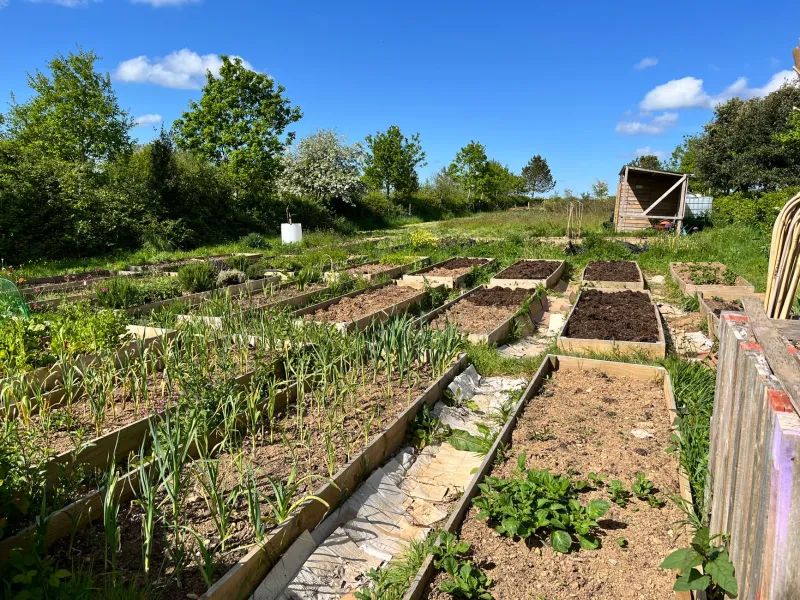
Allotments occupy a strange spot in UK dog life. They are outdoors, they are local, they involve a lot of standing around while someone inspects a leek, and yet they are not quite a park. A plot is a tenancy, a shared site and a small community all at once. That means the question is not simply whether your dog enjoys coming along. It is whether the site allows it, whether the neighbours can live with it, and whether the plot itself is safe enough for a curious nose.
If you are heading to the veg patch in 2026 with a dog in tow, treat the first visit as a recce rather than a jolly. The aim is to work out the site’s rules, identify the hazards that matter and build a routine that keeps everyone on good terms.
Start with the gate, not the plot
Allotment dog policies vary wildly. Some sites ban dogs outright. Some allow them only on a lead and only on the plot-holder’s own patch. Others permit dogs on paths but not on communal areas, or ask that they are carried near the shop and water trough. A few are relaxed, but relaxed is not the same as a free-for-all.
Before you pack the lead and a flask, check the site’s written rules. If you cannot find them online, ask the allotment secretary or committee. Be direct: are dogs allowed, are they allowed on leads only, and are there any areas where they are not welcome? A quick email now is easier than a tense conversation at the gate later.
Also check your tenancy agreement. A site may allow dogs generally but your particular plot may sit on land with extra conditions. If you rent from a local authority, look at the council’s allotment pages too. Do not assume that because another plot-holder brings a spaniel every Sunday, the rules have changed.
The shared-site etiquette test
The allotment is not your back garden. It is a collection of smallholdings with shared paths, shared water and shared patience. A dog that barks at every wheelbarrow will quickly become a committee matter.
Keep the lead on unless you have explicit permission otherwise. Even a bombproof dog can surprise someone carrying a tray of seedlings. Bring poo bags and use the bins provided, or take waste home if there is no bin. Do not let your dog wander onto neighbouring plots, even if the gate is open. And keep an eye on the communal areas: shed porches, compost heaps and water butts are not dog playgrounds.
It also helps to think about noise. A dog that settles under a bench while you weed is a good allotment citizen. A dog that patrols the path and alerts the whole site to a passing bicycle is less popular. If your dog is vocal, choose quieter times and keep visits short.
Hazards that deserve a proper look
Allotments are full of things that are fine for humans and less fine for dogs. The big ones are worth checking before your dog has a chance to investigate.
Slug pellets are a classic allotment hazard. Some contain metaldehyde, which is dangerous to dogs, and even those marketed as pet-safe should be treated with caution. Ask neighbouring plot-holders what they use and keep your dog away from treated beds. Better still, keep your own plot pellet-free and use physical barriers or nematodes instead.
Cocoa mulch is another one to watch. It smells like chocolate, which is exactly why dogs investigate it. It can be irritating and, in enough quantity, toxic. If a neighbour has spread it, note where it is and keep your dog on the path.
Compost bays and manure heaps are fascinating to dogs and risky at the same time. They can contain mouldy food, bones, packaging and other surprises. Keep the lid on your own compost and do not let your dog rummage in anyone else’s. The same goes for water butts: stagnant water, algae and drowned pests are not a good drink. Bring a fresh bowl and your own water.
Finally, look at escape routes. Allotment fences are often patched, gappy and held together with optimism. Check your plot boundary and the main gates. If your dog is a jumper or a digger, assume the fence is a suggestion rather than a barrier.
A routine that works
A good allotment visit is usually a short one. Arrive with water, a lead, poo bags and something to keep your dog settled. Walk the perimeter first so you can spot new hazards, then set up a safe spot near where you are working. A clip-on lead attached to a sturdy bench or a ground stake can work well, but never leave your dog tied up unattended.
Pace the visit around your dog. Twenty minutes of pottering and sniffing is often enough. If the weather is hot, go early or skip it. If the site is busy with strimmers, mowers or children, keep your dog close and consider coming back another day.
And build in a wash-and-check at the end. Look over paws for cuts, seeds and mud. Check ears and eyes. Give your dog a drink and a rest. The allotment is a working space, not a dog park, so the best visits are the ones that end before anyone gets bored, muddy or overexcited.
The bottom line
Bringing your dog to the allotment can be a lovely part of the week, but it works best when you treat the site as a shared workplace rather than an extension of your garden. Read the rules, ask the committee, keep the lead on and audit the hazards before your dog finds them. Do that, and you can enjoy the veg patch together without becoming the plot-holder everyone talks about.