Before the Ramp Drops: A Dog Owner’s UK Ferry Audit for 2026

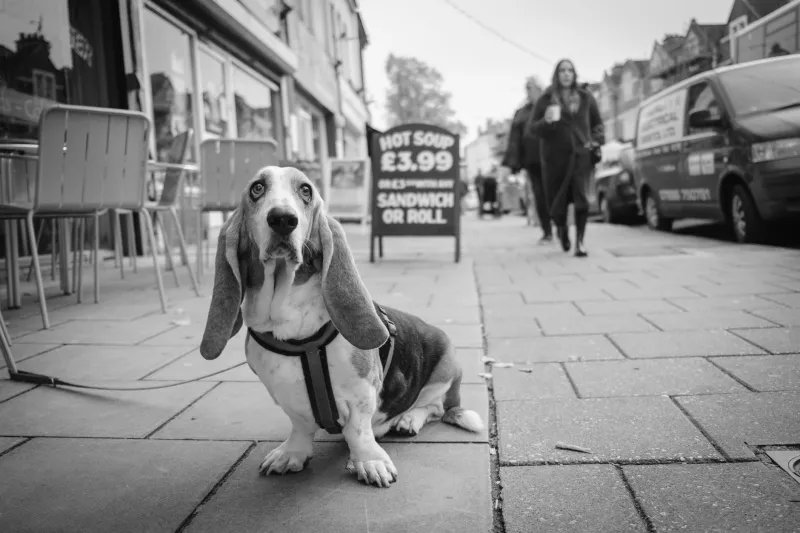
Photo: Bill Nicholls , CC BY-SA 2.0, via Wikimedia Commons
A ferry crossing with a dog can be one of the easiest bits of a UK trip — or the moment you realise you have booked a route that expects your dog to spend the sailing in a car deck kennel while you are upstairs with a coffee. The difference is rarely about the dog. It is about the paperwork, the vessel and the questions you did not ask at the booking stage.
This is the BYO Pet approach to a domestic ferry audit: treat the crossing as part of the day out, not a gap between the car park and the beach. Whether you are taking a Solent hop, heading to a Scottish island or using a small water taxi, the same principle applies. Confirm the practical details directly with the operator, then pack for the crossing you are actually taking.
Start with the route, not the dog policy
UK ferry operators do not share one pet rulebook. A route that accepts dogs on an outside deck may not allow them in the passenger lounge. A car-ferry crossing may offer kennels on one vessel and require dogs to stay in vehicles on another. Seasonal timetables, replacement ships and different port terminals can all change what is available on the day.
Use the operator’s own pet information page and booking flow as your first source. Then ask a human. Check whether your dog needs a ticket, whether there is a limit on dogs per sailing, whether foot passengers can bring dogs at all, and whether assistance dogs are covered by a separate process. If you are using a small water taxi or harbour ferry, ring ahead. Some small operators welcome well-behaved dogs; others simply do not have the space or insurance for them.
Foot passenger or car deck?
The biggest decision is whether you cross as a foot passenger with your dog or keep the dog with the vehicle. On foot, you may be able to stay with your dog for the whole crossing, but only in the areas the operator permits. Many conventional ferries restrict dogs to outside decks or designated zones, and weather can make that uncomfortable for a long sailing. Small water taxis may expect you to hold your dog or use a carrier.
With a vehicle, the dog usually stays in the car or in an operator-provided kennel. Ask two blunt questions: can I access my vehicle during the crossing, and are dogs allowed in any passenger area? On many car ferries the answer is no to both. That matters because a closed car deck can heat up, and a dog left alone in an unfamiliar space may become stressed. If your dog cannot cope with that, a foot-passenger route may be the better fit — if the operator allows it.
The kennel question
Kennels are not a universal ferry feature. Where they exist, they may be free, bookable, first-come-first-served or allocated by crew. Ask about size, locking, ventilation, bedding and whether you can inspect the kennel before the sailing. Take a familiar blanket or mat if the operator permits it, and a water bottle rather than a bowl that will slide around.
Do not assume a kennel is kinder than a car. Some dogs settle better in their own crate in a ventilated vehicle; others find the car deck noise and movement harder than a deck-level kennel. If your dog has never been in either setup, practise short periods at home and speak to your vet if you are unsure.
Muzzle rules and busy terminals
Muzzle requirements vary by operator, route and sometimes by the crew’s assessment of the situation. Ask before you travel whether a muzzle is required on the vehicle deck, in kennels, on outside decks or in the terminal. Assistance dogs are usually treated separately, but confirm that too.
If a muzzle is required and your dog is not used to one, start training well before the trip. A muzzle should allow panting and drinking; it is not a substitute for a comfortable harness or a secure lead. Terminals can also be busy, with lifts, stairs and escalators. Ask whether dogs are allowed on escalators — many operators prefer you to use lifts or carry small dogs — and factor in extra time for a quiet walk before boarding.
Sea conditions and timing
A short crossing can still be lumpy. If your dog is prone to travel sickness, ask your vet about options well before the sailing. Feed a lighter meal earlier than usual, take a good walk before boarding and keep water available. Book a flexible ticket where possible, and check the forecast on the day. Morning sailings are not automatically calmer, and return crossings can feel different from the outbound leg.
If you are travelling by car, secure your dog in a crate or harness that is suitable for a moving vehicle. Do not leave a dog loose in a car on a ferry deck. If you are on foot, keep the lead short in queuing areas and avoid letting your dog meet every other dog on the ramp. A calm, boring boarding process is a good one.
Port-side emergency vets
Before you travel, save the details of a veterinary practice near both ports. Check opening hours, whether they take emergencies and how far they are from the terminal. On island routes, veterinary cover can be limited, so ask the operator or your accommodation for the nearest option. Carry any medication, your dog’s microchip number and your insurance details in a waterproof pouch. None of this is about expecting trouble; it is about not having to search for a vet while queuing for a ferry.
The packing list that earns its place
Take a lead and spare, a harness that fits well, a muzzle if required or if your dog is comfortable in one, water, a collapsible bowl, poo bags, a towel, a familiar blanket and any medication. For kennel routes, add bedding and a labelled water bottle. For car decks, add sunshades and a secure crate or harness. For small water taxis, ask whether a carrier is expected. Keep treats handy for rewarding calm behaviour on the ramp and in the terminal.
The booking-day script
Ask: Is my dog allowed on this exact sailing? Does my dog need a ticket? Can I stay with my dog throughout? Are kennels available, and can I see one? Is a muzzle required anywhere? Can I access my vehicle? Where can my dog toilet before boarding? What happens if the sailing is delayed or the vessel changes? What are the rules for the return crossing?
Get the answers in writing if you can. Then arrive early, walk your dog, offer water and keep the atmosphere low-key. A ferry is still a day out. With the right checks, the ramp drops and the dog settles — and you can get on with the bit you came for.