Something Borrowed, Something Chewed: A Pet-Inclusive UK Wedding in 2026
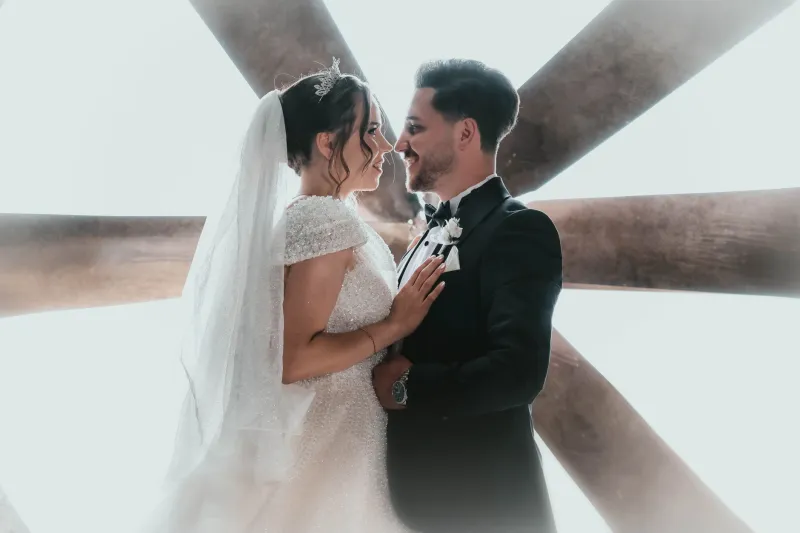
A wedding is already a logistics exercise with flowers. Add a dog, cat, rabbit or parrot and you have a second guest list, a second set of needs and a very real chance that someone will eat the confetti. The good news: a pet-inclusive UK wedding can work beautifully in 2026 — provided you plan it like a tiny operation, not an adorable afterthought.
At BYO Pet, the test is simple. Your animal shouldn’t be “allowed” at the wedding. They should be genuinely welcome, with a named person looking after them, a quiet place to retreat and a plan for the bits of the day that involve loud music, hot marquees or aunties with strong perfume.
Start with the venue, not the outfit
Ask venues direct, specific questions. “Dog-friendly” can mean anything from “we love dogs in the bar” to “we tolerate one on a lead by the car park.” For a wedding, you want written confirmation of what is allowed and where.
Useful questions include: Are pets allowed in the ceremony room, or only outdoors? Is there a cleaning fee or pet deposit? Are there any breed or size restrictions? Can a supplier or guest bring a dog? What happens if it rains and the ceremony moves inside? Is there a secure area for a crate or pen? Are there sheep, livestock or game nearby? And — crucially — who from the venue will be your point of contact on the day if something goes wrong?
If you’re marrying in a church or licensed civil venue, check the ceremony rules separately from the reception venue. Some churches are relaxed; others are not. A registrar won’t usually object to a well-behaved dog, but the building may have its own policy. Get it in writing, even if it’s a friendly email.
Match the animal to the day
A chilled-out Labrador who loves a crowd is a different proposition from a rescue cat who hides when the doorbell rings. Rabbits and parrots are especially sensitive to noise, temperature changes and unfamiliar handling. There’s no shame in deciding that your pet’s best wedding role is “guesting remotely” via a framed photo on the card table.
If your pet does attend, think about the sensory load: cars, crowds, clapping, children, music, heat, wet grass and long periods without a proper loo break. A dog might manage the ceremony and photos, then go home with a handler before the speeches. That’s not a failure. That’s good hosting.
Appoint a handler who isn’t you
This is the single most useful thing you can do. Choose someone who knows your pet, likes your pet and — this matters — is genuinely happy to miss chunks of the wedding. Pay them if you can, or at least feed them properly and be explicit about the job.
The handler’s brief should cover: lead rules, cues, food and water, toilet breaks, where the pet rests, who drives them home or to the accommodation, and what to do if the pet becomes unwell. Give them a printed one-pager and the vet’s number. Don’t hand a nervous friend a lead and say “you’ll be fine” as you walk down the aisle.
For dogs, a second person for photos is useful. One handles the dog; one holds the lead, treats and a cloth for paw prints. For cats, rabbits or birds, a carrier with a cover and a quiet room away from the reception is usually kinder than a starring role.
Ceremony etiquette, without the chaos
A dog can walk down the aisle, carry a ring box (securely tied, please) or simply sit with the handler near the back. Keep the route short and rehearse it if you can. Avoid confetti near pets — it gets eaten — and check whether the venue uses balloons, lanterns or candles that could be risky.
Think about your guests too. Allergies, phobias and young children are real. Put a line on the invitations or wedding website: “Mabel the spaniel will be joining us for the ceremony and photos. She’ll be with her handler, so please ask before saying hello.” That one sentence prevents a lot of awkward hovering.
Insurance, weather and the unglamorous bits
Check your wedding insurance for pet-related exclusions. Many policies won’t cover damage caused by animals, and some venues will expect you to have public liability cover. If your pet is insured, check whether the policy covers events away from home. If you’re hiring a pet chaperone or handling service, ask for their insurance details and a written risk assessment.
Have a wet-weather plan and a hot-weather plan. In a UK summer, that can mean both a muddy paw towel and a shaded crate. Never leave an animal in a car, even with the windows cracked. If the forecast is grim, decide in advance whether the pet attends or stays behind — don’t make that call in your wedding shoes.
A realistic cost checklist
Pet-inclusive weddings aren’t automatically expensive, but they’re rarely free. Budget for: venue pet fees or cleaning deposits (often £50–£250), a professional pet chaperone (roughly £150–£350 depending on hours and travel), grooming before the day, secure transport, accommodation that accepts pets, and a contingency fund for an emergency vet visit or early taxi home. Add a spare lead, a water bowl, poo bags, food, medication and a towel. If you’re using a pet-friendly cottage or hotel, confirm the pet fee and any rules about leaving animals alone.
The BYO Pet verdict
Bringing your pet to your wedding is a lovely idea when the animal is comfortable, the venue is honest and one sober adult is on pet duty. It’s a bad idea when the pet becomes a surprise, a prop or a guest with no exit plan. Plan the boring bits — the crates, the leads, the insurance, the handler’s lunch — and you can have the photos, the fuss and the dog asleep under the top table before the first dance.