Coin-Op Canine: A First-Timer’s Field Guide to UK Self-Service Dog Baths in 2026
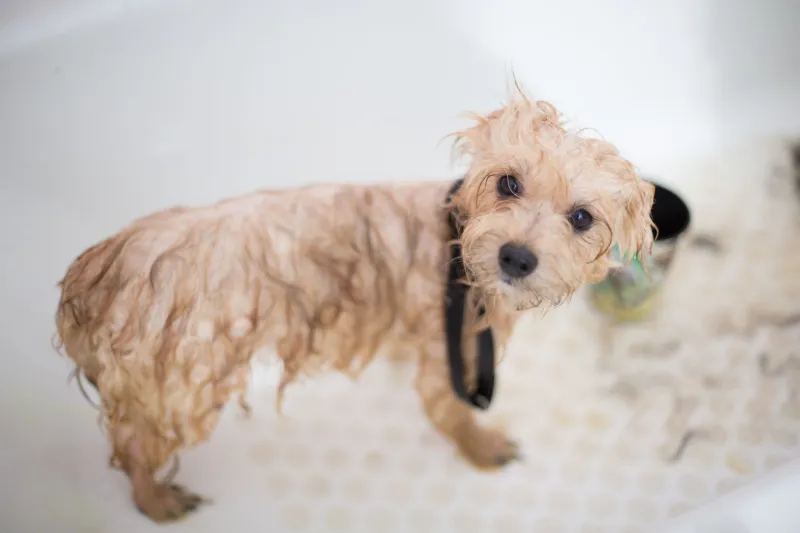
There’s a particular kind of optimism that comes with spotting a self-service dog wash on a retail park: finally, a way to deal with a muddy spaniel without turning your own bathroom into a swamp. The idea is simple enough. You bring the dog, the machine supplies the tub, water, shampoo and usually a dryer, and you leave with a cleaner animal and a slightly damp sleeve.
But like any local service, the experience varies wildly. Some stations are brilliant: clean, well-lit, easy to use and genuinely good value. Others are a fibreglass tub behind a garden centre with a wheezing dryer and a drain that has clearly seen things. This guide is about telling the difference before you commit your £10 and your dignity.
What you’re actually walking into
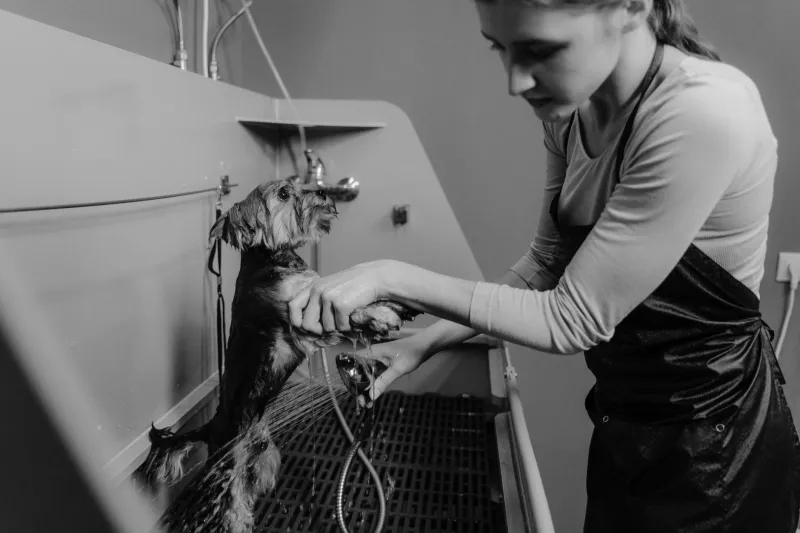
Most UK self-service dog washes are coin-op or contactless card machines sitting beside a groomer, pet shop, forecourt or garden centre. You typically get a set run time — often eight to twelve minutes — with separate charges for shampoo, rinse and drying, or one bundled price. In 2026, expect somewhere between £8 and £15 for a basic wash and dry, depending on the setup and the part of the country.
The appeal is obvious: no appointment, no salon mark-up, no wrestling a wet dog into your own shower. The catch is that you are the groomer now. The machine does not know your dog’s coat, skin or temperament, and it will not notice if the water is too hot or the dryer is too fierce. That is your job.
The five-minute recce before you pay
Before you feed a card or hunt for coins, have a look around. This is not being fussy; it is the whole game. Check the tub itself for hair, grit and scum around the edges. Look at the drain: if it is blocked with fur, you will be bathing your dog in its own soup. Press the buttons or touchscreen without paying to see whether they respond clearly. If the display is cracked, the instructions are missing or the card reader looks taped together, walk on.
Also check the space around the tub. Is there a non-slip ramp or step? Can you safely lift a wet dog out without cracking your back? Is there somewhere to clip a lead while you get organised? A good station feels considered. A bad one feels like a wheelie bin with ambitions.
Water temperature: the hand-and-elbow test
Never trust a label that says warm without testing it. Run the water over your inner wrist or elbow for a few seconds before your dog goes anywhere near it. It should feel comfortably warm, not hot. Dogs have thinner skin than we do in places and cannot tell you the water is scalding. If the temperature swings wildly or comes out cold, stop. A cold wash is miserable and a hot one is a risk.
If the station provides shampoo, check whether it is a general-purpose pet formula and whether there is a rinse cycle. If your dog has sensitive skin, allergies or a medicated shampoo from the vet, bring your own and make sure you can rinse thoroughly. Residual shampoo is a common cause of itchy, flaky skin after a DIY wash.
Dryers: brilliant, loud, and occasionally terrifying
A good dryer is the difference between a clean dog and a damp dog rolling on your sofa. But dryers are also where self-service washes earn their red flags. Check that the nozzle is not cracked, that the air is warm rather than hot, and that there is a clear way to stop it. Never point a dryer directly at a dog’s face, ears or belly for long periods. Keep it moving and watch for signs of stress: lip licking, turning away, trying to climb out.
If your dog is elderly, anxious or has a thick double coat, a high-velocity dryer can be too much. Some stations have low settings; many do not. If the only dryer sounds like a jet engine and your dog is already trying to leave, pay for the wash and skip the dry. A towel and a warm car are kinder.
Hygiene between users
Shared tubs need cleaning between dogs, and not every operator is on top of it. Look for a hose-down area, disinfectant spray or staff member wiping down surfaces. If the previous user’s hair is still swirling around the drain and there is no way to rinse the tub first, that is a problem. Bring your own towel, use a lead to keep your dog steady, and avoid letting them drink from the tub or communal bowls. If your dog has fleas, ringworm or an upset stomach, stay home — self-service washes are not the place to share that around.
What to bring (and what to leave in the car)
Bring at least two towels: one for the initial soak-up and one for the car. A slip lead is easier than a collar and clip in a wet tub. Pack treats, a comb or brush, and your own shampoo if your dog needs it. A small jug is handy for rinsing faces and paws without blasting water everywhere. Leave the fancy harness in the car; wet nylon takes hours to dry and smells like pond by tea-time.
First-timer checklist
- Check the tub, drain and buttons before paying.
- Test water temperature on your own skin.
- Bring two towels, a slip lead, treats and your own shampoo if needed.
- Keep the lead on for the whole wash if your dog is wriggly.
- Rinse until the water runs clear.
- Use the dryer on a low setting, moving constantly.
- Dry ears and paws properly afterwards.
- Wipe down the tub if the station provides kit.
Red flags that should send you home
Walk away if the tub is visibly dirty, the drain is blocked, the water is scalding or icy, the dryer has exposed wires or no emergency stop, or there is no way to rinse your dog properly. Also leave if the station is cramped, the ramp is slippery, or your dog is clearly panicking before the wash begins. A clean dog is not worth a bad experience that makes the next bath harder.
When to book a groomer instead
Self-service washes are for maintenance, not miracles. If your dog is matted, has a coat that needs clipping, has skin issues, ear infections or anal gland trouble, book a groomer or call your vet. Very large or giant breeds may not fit the tub comfortably, and puppies that are not fully vaccinated should stay away from shared spaces. A DIY wash is also a poor substitute for proper hand-stripping or breed-specific grooming. Sometimes the £10 tub is great value; sometimes it is false economy.
The BYO verdict
A good self-service dog wash is a genuinely useful bit of local kit: quick, cheap and much easier than cleaning your own bathroom afterwards. Treat it like any other service, though. Do the recce, test the temperature, watch the dryer and trust your dog’s body language. Bring your own towel, keep the lead on and know when to leave the job to a professional. That way the only thing coming home with you is a cleaner dog and a slightly lighter wallet.