The Pre-Clip Conversation: Booking a UK Dog Groomer Without Guesswork in 2026
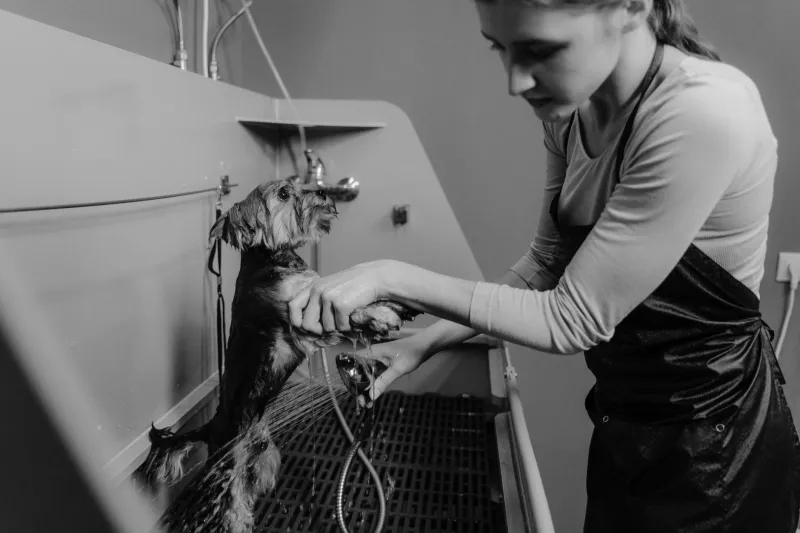
Grooming appointments can feel like a small act of faith. You hand over your dog at a salon door, hope the person inside knows what they are doing, and spend the next hour wondering whether the clippers are sharp and the dryer is too hot. In 2026, UK dog grooming is still a lightly regulated corner of pet care. That does not mean good groomers are hard to find. It means the useful questions are on you.
At BYO Pet, the bring-your-own-pet idea is simple: your dog, your standards, your questions. A good groomer will welcome them. A great one will have already thought about most of them.
Start with the paper trail, not the Instagram grid
A polished feed full of tidy poodles tells you very little about how a salon handles a nervous terrier or a matted cockapoo. Ask about qualifications and insurance before you book. Dog grooming is not a licensed profession in the UK, so there is no single badge that guarantees quality. Still, recognised training such as a City & Guilds Level 3 grooming qualification, iPET Network courses or membership of a professional grooming body is a reasonable signal. So is canine first aid training.
Insurance matters too. Ask whether the salon has public liability cover and care, custody and control insurance. A good business will not be offended by the question. If the answer is vague, or the subject gets brushed off with a joke, treat that as your cue to keep looking.
The coat conversation is the real consultation
Before anyone picks up a clipper, they should look at your dog's coat, skin and temperament. Matted fur is not a styling problem. It is a welfare issue. Tight mats trap moisture, pull at the skin and can hide sores. Ask how the groomer assesses matting and what happens if the coat needs to come off. A short clip is often kinder than hours of painful dematting. If the salon promises to save every mat without discussing discomfort or vet referral, be cautious.
For double-coated breeds, ask how they handle shedding without shaving the coat unnecessarily. For flat-faced dogs such as pugs, French bulldogs and Boston terriers, ask directly about brachycephalic experience. These dogs can struggle in heat and stress, so gentle handling, hand drying and breaks matter more than a perfect finish. A groomer who says they love all breeds is not the same as one who has a plan for yours.
Anxious dogs need a plan, not a label
Nervous dogs are not unusual. The question is what the salon does about them. Ask whether they offer quieter appointment slots, whether dogs are separated from each other, and whether they use cage dryers. A responsible groomer will not leave a dog unattended in a heated drying cage. For anxious or flat-faced dogs, hand drying is often safer and calmer, even if it takes longer.
Muzzle use deserves a straight conversation. A muzzle is a handling tool, not a punishment, and it should never be used just because a groomer is in a hurry. Ask if they use muzzles, why, what type, and how they introduce one. A basket muzzle that allows panting is very different from a tight fabric muzzle. If a salon says it muzzles every nervous dog as standard, or refuses to discuss it at all, take that seriously.
Clippers, dryers and the details owners forget
Ask how clipper blades are cleaned and cooled. A blade that is hot or blunt can cause clipper burn, especially on sensitive skin. Ask what happens if your dog becomes distressed mid-groom. A good salon will pause, contact you, or stop rather than force a finish.
Other details are worth raising: ear plucking, nail trimming, perfume sprays, shampoo choices and drying temperature. None of these should be a mystery. If your dog has allergies or sensitive skin, say so at booking and again at drop-off. A quick note on the booking form is not always enough.
What a good handover looks like
Drop-off should be calm and specific. The groomer should ask about your dog's health, coat, behaviour, vet details and anything that has changed since the last visit. They should tell you roughly how long the appointment will take and what to expect.
At pick-up, a good handover is more than a nice-smelling dog. The groomer should explain what they did, what they found, and anything you need to watch at home. If there was a small nick, a mat, a skin issue or a moment of stress, you should hear it from them first. A salon that only says 'he was fine' while your dog is coughing, limping or frantic is not giving you a proper handover.
Money talks: pricing and cancellation red flags
UK grooming prices vary widely by breed, coat condition, location and appointment length. Ask what the quote includes and whether matting removal costs extra. A price that changes after the groom is not automatically unfair, but it should be explained clearly and agreed beforehand where possible.
Read the cancellation terms before you pay a deposit. A fair window is usually somewhere around 24 to 48 hours. Be wary of large non-refundable deposits, vague extra charges, or terms that leave you paying for a groom that never happened because the salon cancelled. Cheap is not always good value, and expensive is not insurance against bad handling.
Your pre-appointment checklist
- Confirm training, first aid and insurance details.
- Ask how matting is assessed and when a vet check is advised.
- Check the plan for anxious dogs, quiet slots and separate spaces.
- Ask about brachycephalic experience if your dog is flat-faced.
- Confirm clipper hygiene, blade cooling and drying methods.
- Discuss muzzle use, type and introduction before the appointment.
- Get the price, extras and cancellation terms in writing.
- Share allergies, skin issues and vet contact details.
- Book a quieter slot if your dog finds busy salons hard.
- Ask what happens if your dog becomes unwell or distressed.
The best thing you can bring to a grooming appointment is not a fancy lead. It is a short list of questions and a willingness to walk away if the answers feel thin. A groomer who welcomes that conversation is worth keeping on your local services list.