Mend It, Pass It On, or Retire It: A UK Pet Gear Triage Guide for 2026
Bring-your-own-pet life has a way of filling cupboards. There is the harness that has done three summers of muddy walks, the crate that has been in the boot more often than the shopping, the bed that has survived two puppies and one suspicious cat, and the carrier that has a zip that works if you jiggle it just so. The tempting move is to replace the lot. The smarter move, in 2026, is to triage it.
A repair-first approach is not about being tight-fisted. It is about knowing which bits of kit are safe to mend, which are worth passing on, and which have quietly become a risk. For UK owners, that means looking at the gear your pet actually travels with, sleeps on and wears, then making a calm call before the next trip, season or vet visit.
Start with safety, not sentiment
Pet gear is not like a favourite jumper. A loose stitch on a coat is a minor annoyance; a frayed harness strap or a cracked crate latch is a different matter. Before you reach for the sewing kit, give everything a proper once-over in good light.
Check harnesses and leads for frayed webbing, worn stitching around load-bearing points, distorted D-rings, cracked buckles and stiff clips. Look at crates for bent bars, rust around welds, damaged door latches and sharp edges. Carriers need their zips, handles and base panels checked, especially if your pet is carried rather than wheeled. Beds are less of a safety item, but chewed foam, exposed staples and split waterproof linings can become a hygiene problem or a choking hazard.
If a failure could lead to your pet escaping, falling, overheating or being injured in a car, treat it as a safety issue rather than a cosmetic one. That is the first fork in the road.
The repair-first checklist
A sensible fix-first checklist for 2026 looks something like this:
- Is the item structurally sound, or is the damage only cosmetic?
- Are the load-bearing parts — straps, buckles, D-rings, handles, zips, latches — still trustworthy?
- Can the repair be done without changing how the item fits or functions?
- Is the cost of repair clearly lower than a like-for-like replacement?
- Would you be happy using it for your own pet after the fix?
If the answer to the last question is no, stop. That is usually the point where resale or donation becomes unfair, and retirement is the honest option.
What is genuinely repairable
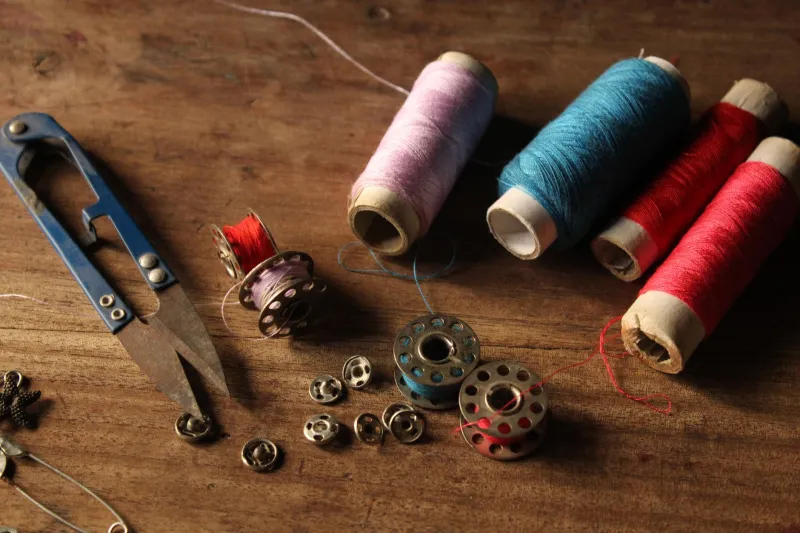
Plenty of pet gear is more fixable than owners assume. A good alterations shop, cobbler or saddler can often replace webbing, restitch a harness, shorten a lead, replace a buckle or add a stronger closure. Outdoor gear repairers are useful for waterproof coats and fleece linings. Luggage repairers can sometimes handle carrier zips and handles. Upholsterers can re-cover bed bases or replace foam if the frame is still sound.
For crates, the useful local contacts are often not pet shops but small fabrication or welding businesses, though you need to be careful. A crate is only as safe as its weakest weld, and a home-made fix that changes the door mechanism is rarely worth the risk. If a crate has been in a crash, has bent bars or has a latch that no longer engages firmly, replacement is usually the better call.
Local repair costs vary widely. A simple harness restitch might be a modest job; a full zip replacement on a carrier can be closer to the price of a basic new carrier. Get a quote before committing. Ask specifically whether the repair is suitable for an animal that pulls, chews or travels in a car. A repair that is fine for a lap dog may not be fine for a strong dog on a long lead.
Safety cut-offs: when repair is not kind
Some damage should end the conversation. Retire any harness or lead with deeply frayed webbing, broken stitching at stress points, deformed metal hardware or a buckle that does not click securely. Retire a crate with cracked welds, a door that can be pushed open, missing latches or sharp exposed metal. Retire a carrier if the handle attachment is failing, the zip opens under load or the base is cracked.
Beds and soft items are a judgement call, but chewed foam, mould, persistent odour and exposed filling are good reasons to let them go. For car travel, be especially strict. A pet restraint that has been in a collision, even if it looks fine, should be replaced rather than trusted again. The same goes for any item that has been recalled or has a safety notice attached.
Warranty rights and the receipt you should keep
UK consumer law gives you rights when goods are faulty, not fit for purpose or not as described. Under the Consumer Rights Act 2015, you generally have a 30-day short-term right to reject faulty goods and get a refund. After that, you can ask for a repair or replacement, and if that is not possible or does not work, you may be entitled to a price reduction or final refund. In England, Wales and Northern Ireland, court action for breach of contract is generally subject to a six-year limitation period; in Scotland it is five years. These are broad outlines, not a substitute for advice on a specific dispute.
Manufacturer warranties sit alongside those rights, not instead of them. Keep receipts, order emails and photos of the fault. If you are claiming, be clear about how the item failed and why it was not fit for its normal use. A harness that snapped at a normal walking load is a different conversation from one chewed through by a bored dog.
Resale and donation without offloading danger
Resale is fine for gear that is clean, complete and genuinely safe. A bed that has been washed and has no chewed foam, a crate with working latches, a carrier with smooth zips and a coat with no broken fasteners can all find a second home. Be honest in listings. Photograph the wear points and say what has been repaired.
Donation can be a good route for rescues and charity shops, but ring ahead. Many rescues have specific needs and limited storage, and they may not accept soft bedding or used items for hygiene reasons. Never donate a harness, lead, crate or carrier with a safety fault. It is not a bargain for the next owner; it is a liability with a tail attached.
The hidden cost of cheap replacements
The cheapest replacement is not always the cheapest option. A budget harness that rubs, fits badly or fails at the buckle can cost you twice: once at the till and again when you buy a better one. Cheap beds that flatten in a month, carriers with zips that fail on the first trip and crates with flimsy latches all add up. There is also the landfill cost and the time spent shopping again.
That does not mean every owner needs premium kit. It means buying for the job. A well-made harness that fits your dog and is repairable is often better value than three cheap ones. A crate that is solid, simple and the right size is worth more than a fancy one with weak hardware.
Local services worth bookmarking
Build a small list before you need it: a local alterations shop that is happy to work with heavy webbing, a cobbler or saddler, an outdoor gear repairer, a luggage repair service and an upholsterer. Ask your vet practice or local dog walkers for recommendations. Some pet shops also offer harness fitting and minor repairs, though not all do.
For anything safety-critical, ask the repairer plainly: would you trust this for your own dog? If the answer is hesitant, replace it. BYO Pet is all for bringing your own pet along, but not for bringing along gear that is past its best.
A realistic fix-first plan for 2026
Set aside half an hour this month. Sort gear into three piles: mend, pass on and retire. Mend only what is structurally sound and economically sensible. Pass on only what is clean, complete and safe. Retire anything that could fail under load, has been in a crash, or makes you hesitate when you pick it up.
Then note the gaps. If you need a replacement, buy for fit, safety and repairability rather than the lowest price. Keep the receipt. It is a boring habit, but it is the one that makes warranty claims, resale and repairs much easier next time.