Paws, Pints and Planning: The UK Venues That Truly Welcome Your Dog in 2026
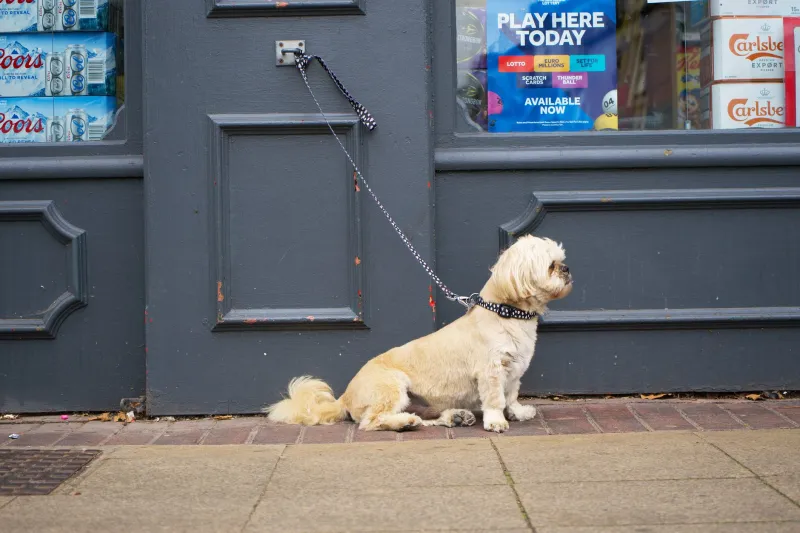
There is a particular kind of optimism that comes from spotting a dog-friendly sticker on a pub door. You picture a quiet corner, a bowl of water and a relaxed afternoon. Sometimes that is exactly what happens. Other times you discover the sticker meant the garden only, the water bowl is a myth and the only table free is next to a speaker the size of a fridge.
Bring-your-own-pet days out are brilliant in the UK, but they reward a bit of homework. In 2026, more venues than ever use the dog-friendly label. The trick is working out which ones mean it.
First, Decode the Dog-Friendly Label
Dog-friendly can mean almost anything. It might mean dogs are welcome throughout the building. It might mean dogs are allowed in the beer garden, on a lead, until 6pm, except on match days. It might simply mean nobody has ever formally banned them.
Before you set off, look for the details a good venue publishes: where dogs can go, whether they must stay on a lead, whether water bowls are provided and whether there are any areas that are off limits. A pub that says dogs are welcome in the bar but not the dining room is not being difficult. It is being clear. That is exactly what you want.
The Venue Types Worth Checking
Traditional pubs with flagstone floors and a few quiet corners tend to be the easiest option. Coastal pubs in Cornwall, Devon and North Yorkshire often have garden rules that change with the season, so a quick phone call is smarter than a long drive. Market town cafés can be excellent too, especially those with tiled floors and a no-fuss attitude. Shops are more varied: some independent bookshops and hardware shops welcome dogs, while food shops usually cannot. Attractions vary enormously, from historic houses with garden-only policies to gardens and parkland that are happy for dogs to join you on a short lead.
Rather than chasing a long list of specific addresses, build your own shortlist. Search locally, check recent reviews and look at the venue's own website rather than relying on an old directory. A venue that was welcoming in a previous year may have changed hands, changed its licence or changed its policy.
How to Check Local Rules Before You Go
A two-minute call still beats a hopeful guess. Ask where dogs are allowed, whether they need to stay on a lead, whether water is available and whether there are any events that day. If you are planning a meal, ask whether dogs can sit in the dining area or only in the bar. If you are visiting an attraction, check whether dogs can go inside any buildings at all.
Local council websites can be useful for parks, beaches and public spaces, especially where seasonal dog bans apply. Social media is handy for real-world clues, but treat it as a starting point. One enthusiastic post from three years ago is not a policy.
Insurance, Hygiene and the Awkward Bits
Your dog should be insured for the basics, including third-party liability. If your dog knocks over a drink or causes an accident, you want to know where you stand. Good pet insurance is not about expecting trouble. It is about being a responsible guest.
Hygiene matters too. Keep your dog off tables and away from food prep areas. Do not let them eat from venue bowls if you are unsure how clean they are, and bring your own if that worries you. If your dog is moulting, muddy or prone to barking at every passing terrier, a towel and a bit of realism go a long way.
And remember that not everyone loves dogs. Some customers are allergic, nervous or simply having a quiet pint. A short lead, a settled dog and a quick word with staff before you settle in keeps the welcome warm for everyone.
A Bring-Your-Own-Pet Day-Out Checklist
Print this or save it on your phone before you leave.
- Lead, harness and a spare clip
- Collar with an up-to-date ID tag and microchip details
- Water bottle and a folding bowl
- Poop bags, plus a spare roll
- Towel for wet or muddy paws
- A familiar mat or blanket for settling
- Treats and any medication
- Pet insurance details and your vet's phone number
- Venue booking confirmation and any dog rules noted
- A plan for hot weather, rain or a busy venue
- A pet-friendly taxi or backup lift home
Etiquette That Keeps Doors Open
Ask before you enter. Keep the lead short in busy spaces. Do not assume your dog can sit on the furniture. Buy something, say thank you and leave the table as you found it. If your dog is having a bad day, cut the trip short. A sensible exit is better than a stressed dog and a frazzled landlord.
The best dog-friendly venues are not doing owners a favour. They are running a business and making a reasonable choice. Treat that choice with respect and the good ones will keep welcoming you, your dog and your muddy boots for years to come.