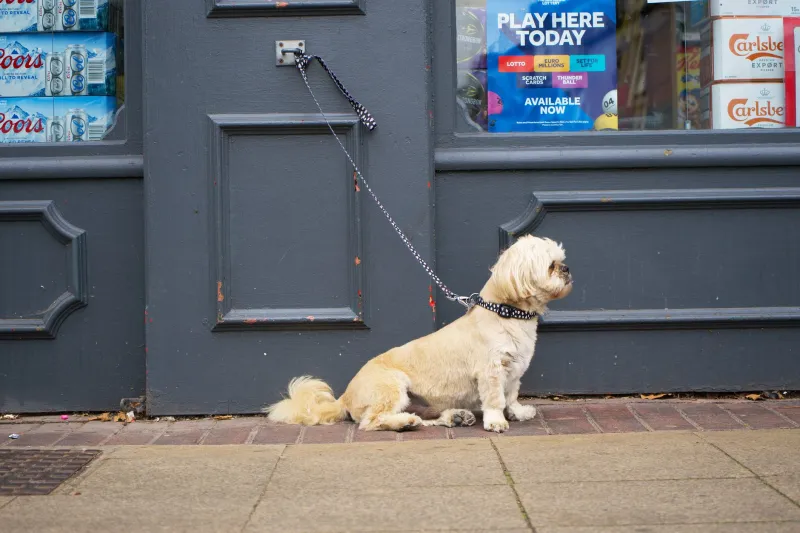
The Pet-Friendly Premium: What UK Owners Really Pay to Bring Their Animals Along in 2026

Pet-friendly is one of the most elastic phrases in the UK service industry. It can mean a genuine welcome, a bowl by the door and a landlord who understands that dogs chew things. It can also mean a clause buried in a tenancy agreement, a taxi driver who says no at the kerb and a café that tolerates dogs as long as nobody notices them.
In 2026, owners are right to expect more clarity. The problem is that the cost of bringing a pet along is rarely set out in one place. It is spread across deposits, fares, surcharges, cleaning fees and the quiet premium that comes from having fewer choices.
The Gap Between the Label and the Bill
Most owners expect pet-friendly to mean accessible. What many providers actually offer is conditional tolerance. A flat may be advertised as pet-friendly but come with a higher rent, a larger deposit or a written request for professional cleaning. A taxi firm may say pets are welcome but leave the decision to the driver. A venue may allow dogs but not provide water, shade or anywhere sensible to settle.
None of that is necessarily unfair. Businesses have insurance, allergies and cleaning costs to think about. But owners deserve to know the terms before they commit.
Renting: Deposits, Pet Rent and the Paper Trail
Renting is where the pet-friendly premium is most visible. In England, the standard deposit cap is five weeks' rent for most tenancies, but landlords can still ask for pet rent or a higher headline rent where the market allows it. Scotland, Wales and Northern Ireland have their own rules, so check the detail rather than assuming one UK-wide approach.
Ask for every pet-related term in writing. That includes any extra monthly amount, any specific cleaning clause and any restriction on the number or type of pets. A good letting agent will put it in the tenancy agreement, not just in an email. If you are negotiating, a pet CV can help: vaccination records, a reference from a previous landlord and a note about how the dog behaves indoors. It sounds slightly ridiculous, but it gives a landlord something concrete to assess.
Travel: Train, Bus, Taxi and Ferry Realities
Train travel is often easier than people expect, but rules vary by operator. Some allow dogs free of charge, some ask for a ticket, and some restrict where they can sit. Always check the specific operator before you buy. Buses are patchier, and taxi drivers can refuse a pet or charge a cleaning fee at their discretion. If you rely on taxis, book ahead and ask directly rather than hailing one at a busy rank.
Ferries and larger journeys usually publish pet policies, but the cheap fare is not always the full cost. You may need a pet-friendly cabin, a carrier or an early arrival. Add those extras before you compare prices, or the bargain fare will quietly stop being a bargain.
Local Services: Vets, Groomers, Sitters and Cafés
The local service market is where expectations and reality diverge most. Vet access is excellent in many UK towns, but out-of-hours care can carry a significant premium. Groomers vary widely in price and availability. Sitters and dog walkers may charge more for weekends, bank holidays or dogs with additional needs.
When you compare providers, look for transparent pricing rather than the lowest headline number. Ask what happens if you are late, what vaccinations are required and whether the provider has written policies. For cafés and venues, the test is simpler: ask where the dog can go and what is provided. A straight answer is worth more than a friendly sticker.
What Owners Expect vs What Providers Offer
Owners tend to expect consistency. Providers tend to offer what their insurance, staff and premises allow. The gap is rarely malice. It is usually poor communication.
A useful habit is to ask three questions before you pay: what exactly is included, what is excluded and what happens if plans change. Those three answers will expose most hidden costs. If a provider cannot answer them clearly, that is information too.
Negotiating Without Being That Customer
Negotiation works best when it is specific and polite. Instead of asking for a discount, ask whether the pet rent can be reviewed after six months. Instead of demanding a lower taxi fare, ask for the cleaning fee in advance. Instead of arguing about a deposit, offer a professional clean receipt or a pet reference.
Good providers appreciate clarity. Bad ones rely on vagueness. Keep the conversation friendly, get the key points in writing and be prepared to walk away.
Budgeting for the Premium
Build a pet-inclusive budget rather than a pet-optional one. Include rent or deposit differences, travel extras, grooming, sitting, insurance and a realistic emergency fund. Out-of-hours vet care is the line item most owners underestimate. A separate pot for pet emergencies is dull but effective.
If you are comparing two homes or two service providers, compare the total annual cost, not the monthly headline. A slightly higher rent with no pet rent and a sensible cleaning clause can be cheaper than a low rent with extras stacked on top.
Choosing Trustworthy Pet-Friendly Providers
Look for written policies, clear pricing and recent reviews that mention pets specifically. Check licensing where it applies, ask about insurance and visit before you commit. A provider who is happy to answer questions is usually a provider who has thought about the answers.
The UK's pet-friendly promise is real, but it is not free. The owners who do best are the ones who treat the label as a starting point, not a guarantee, and who ask for the full cost before they hand over a deposit.