The Small-Pet Sleepover: Vetting UK Boarding for Rabbits, Guinea Pigs and Friends in 2026
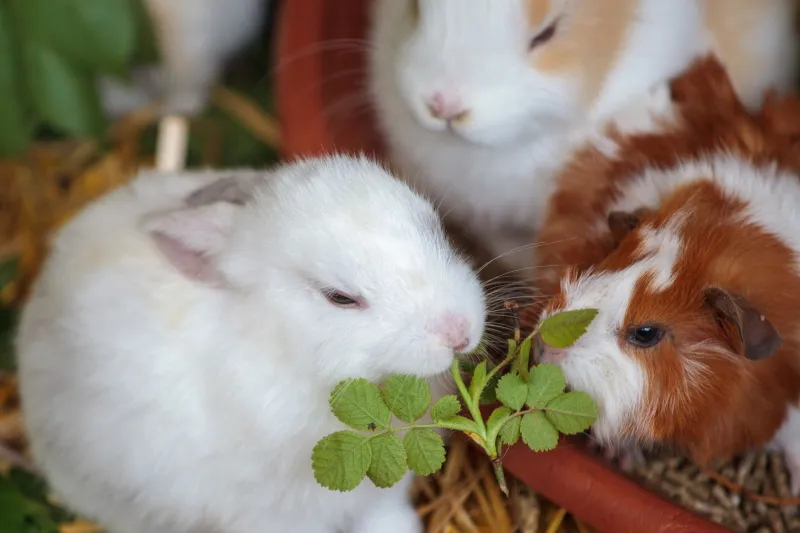
Small pets have a way of making dog-centric advice look oversized. A rabbit does not need a kennel block; a guinea pig does not care about a paddock run. But leaving a small pet in someone else's care still deserves the same rigour you would apply to a dog daycare booking. In 2026, UK boarding for rabbits, guinea pigs, hamsters, rats, ferrets and other small companions is a mixed market: home boarders, dedicated small-pet hotels, pet shops with boarding rooms, and general sitters who will add a hutch to their round. The trick is working out which one actually fits your animal.
At BYO Pet, the bring-your-own-pet idea usually means taking your dog to a pub or a beach. For small pets, it means bringing their routine, kit and quirks into the boarding decision. The best boarder is not the one with the prettiest website; it is the one who can answer plain questions about housing, handling, diet and vet access without getting defensive.
Why dog kennels are not the default
Some kennels and catteries will take small pets, but the environment is built around different species. Noise, scent and daily routines can be stressful for a prey animal. That does not automatically rule them out — a quiet, well-run setup with a separate small-pet room can work well — but it does mean you should see the actual space, not just the reception area. Ask where your pet will sleep, whether they will be near barking dogs, and how the room is ventilated and heated.
Home boarders versus small-pet hotels
A home boarder usually looks after a small number of animals in a domestic setting. The appeal is calm, individual attention and a routine closer to home. The risk is that 'home boarding' can mean anything from a purpose-converted spare room to a hutch in a busy family garden. Ask how many animals they board at once, whether species are kept separate, and who is in the house during the day.
A dedicated small-pet hotel is built for the job, with set enclosures and cleaning routines. That can be reassuring, but busier premises can also mean more scent, noise and staff turnover. Ask how they prevent cross-contamination between species, how often enclosures are cleaned, and whether your pet will have quiet time away from other animals.
Neither option is automatically better. The right question is: which one can show you a calm, clean, species-appropriate setup and explain the daily routine in detail?
The housing question
For rabbits and guinea pigs, space and companionship matter. A bonded pair should stay together, so confirm that boarding is priced and arranged for the pair, not split into separate hutches. Hamsters are solitary and should not be introduced to a friend for the week. Rats are social and usually need their group; ferrets have their own handling and housing needs. A boarder who talks about 'small pets' as one category may not know the differences.
Ask about enclosure size, bedding, hidey holes, exercise time and bar spacing. Check that the setup is predator-proof if it is outdoors, and that indoor rooms are away from constant noise. In summer, ask how they keep rabbits and guinea pigs cool; in winter, ask about draughts and heating. A quick photo or video tour is useful, but an in-person visit is better.
Handling, bonding and stress
Small pets are not automatically easy to handle. Rabbits can kick and panic; guinea pigs can be nervous; hamsters are nocturnal and may not appreciate being woken for a cuddle. Ask how the boarder handles animals, how often, and what they do if a pet seems stressed or off their food. Good boarders will talk about observation — droppings, drinking, appetite, activity — rather than just 'playtime'.
If your pet is bonded, ask whether the bond will be kept intact. If your pet is elderly, nervous or on medication, ask who will actually be doing the daily care and whether they have experience with that species. A cheerful 'we love animals' is not the same as a workable plan.
Food, forage and routine
Diet is where well-meaning boarding can go wrong. Rabbits and guinea pigs need unlimited hay, a measured portion of pellets and a consistent approach to fresh food. Guinea pigs need vitamin C in their diet. Hamsters and rats have their own mixes and portion sizes. Ask whether you should supply food, whether they will follow your brand and measurements, and how they handle fresh greens without causing digestive upset.
Bring your own food, clearly labelled, with written portion instructions. If your pet is on medication, bring it in the original packaging with a written schedule and a spare dose where possible. Ask how they record that medication was given. A boarder who is vague about food and meds is a boarder to skip.
Vet access and contingency
Ask which veterinary practice they use, whether it is open out of hours, and how they would get your pet there. Confirm that they will contact you before treatment if possible, and that they know your spending limit if you are not reachable. Give written consent for emergency treatment and make sure your insurance details are up to date. If your pet has a known condition, ask the boarder to keep a note of it and the vet's contact details.
The handover pack
A simple pack makes the week easier for everyone. Include:
- The enclosure or carrier your pet travels in, plus any familiar bedding and toys.
- Food, hay, treats and supplements, labelled with portions.
- Medication, written instructions and a medication log.
- Vet practice, out-of-hours contact and insurance policy number.
- Your contact details and a backup emergency contact.
- A short behaviour note: handling preferences, warning signs, routine and quirks.
- Collection and drop-off times, and who is allowed to collect.
The shortlist test
Before you book, ask for a visit. Look at the actual housing, smell the room, and watch how the boarder handles your pet. Ask one awkward question — about illness, escape, or a missed medication — and see how they answer. The best small-pet boarder will not be the cheapest or the flashiest. They will be the one who can explain what happens on a normal Tuesday, and what happens when Tuesday goes wrong.