The Dog Bag That Earns Its Keep: UK-Made Day-Out Kit for 2026
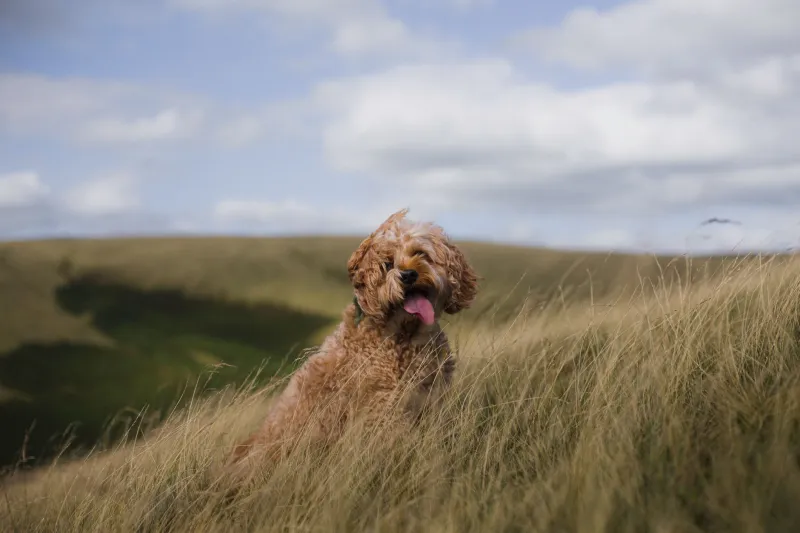
There is a particular kind of optimism that goes into packing for a dog day out. You picture a windswept beach, a well-behaved animal, a pub lunch that stretches into late afternoon. Then you get there, the dog finds the one muddy puddle in the county, and you realise the bowl is in the kitchen and the towel is still on the radiator.
This is not a list of things you must buy. It's a list of things that have earned their place in the bag through repetition — the gear that gets used every single trip rather than the gear that looks good in a photo. We've kept it to UK makers and UK sellers where we can, and we've flagged roughly what each tier costs, because a day out is already expensive before you start adding kit.
Start with what the day actually asks for
Most dog-friendly venues in the UK are welcoming but not equipped. A café may bring a bowl of water; a National Trust garden probably won't. A train station definitely won't. So your bag is doing the work that the venue can't.
The four jobs to cover: water, containment, cleaning up, and patching up. Everything else is a bonus. If your kit solves those four, you're ahead of about 80% of the dogs you'll meet on the promenade.
The essentials worth spending on
A collapsible bowl you'll genuinely refill
Rigid bowls are fine at home and hopeless in a rucksack. A silicone or fabric-and-lined bowl that flattens to a disc takes up almost nothing and weighs less than a phone. Budget options start around £6–10; mid-range UK outdoor brands sit nearer £15–20 and tend to have a firmer rim, which matters when a dog pushes it across tarmac.
Ignore the ones with a fancy carabiner and nothing else going for them. What you want is a wide base and a rim stiff enough to hold shape when half full.
A seat or boot guard that stays put
If your dog travels in the car at all, a guard pays for itself in resale value alone. Look for a UK-made or UK-branded quilted cover with anchor points that loop around headrests rather than relying on friction. Cheap ones (£15–25) bunch up; the better tier (£35–60) has a grippy backing and a hammock shape that stops the dog sliding into the footwell on roundabouts.
A first-aid kit small enough to leave in the car
You will almost never use it. That's the point. A compact kit with saline, cohesive bandage, tick tweezers, a blunt-nosed scissors and a foil blanket covers most of what a countryside walk can throw at you — cut pads, thorns, the occasional overenthusiastic encounter with a fence. Pet-specific kits run £15–30; a human travel kit plus tick tweezers does a decent job for less, though check the contents against your vet's advice.
Do one thing before you buy: put your vet's number and your own number inside the lid. Obvious, rarely done.
A travel mat that survives a pub floor
This is the piece of kit people skip and then regret. A thin, washable mat gives the dog a defined spot under the table, which is the difference between a relaxed hour and a lead tangled round three chair legs. Look for something with a waterproof backing and a top that isn't a magnet for hair. £20–35 buys a decent one; a folded towel works if you're not ready to spend.
A lead and harness setup you can shorten
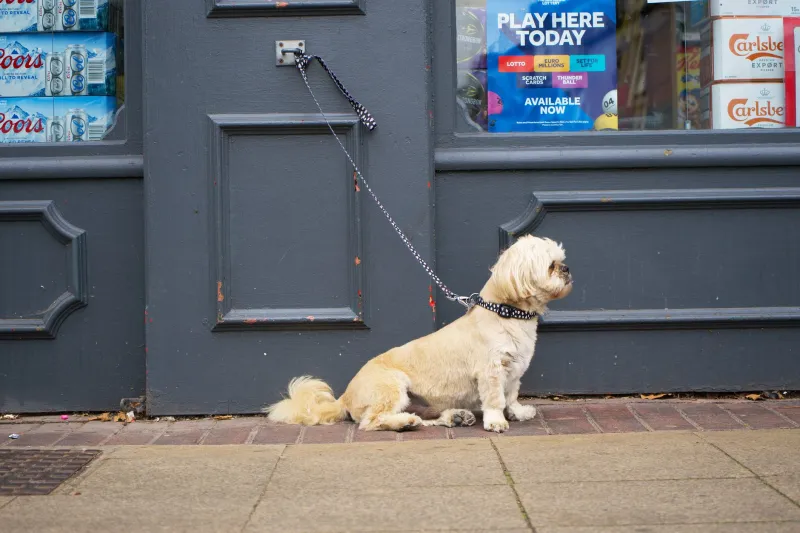
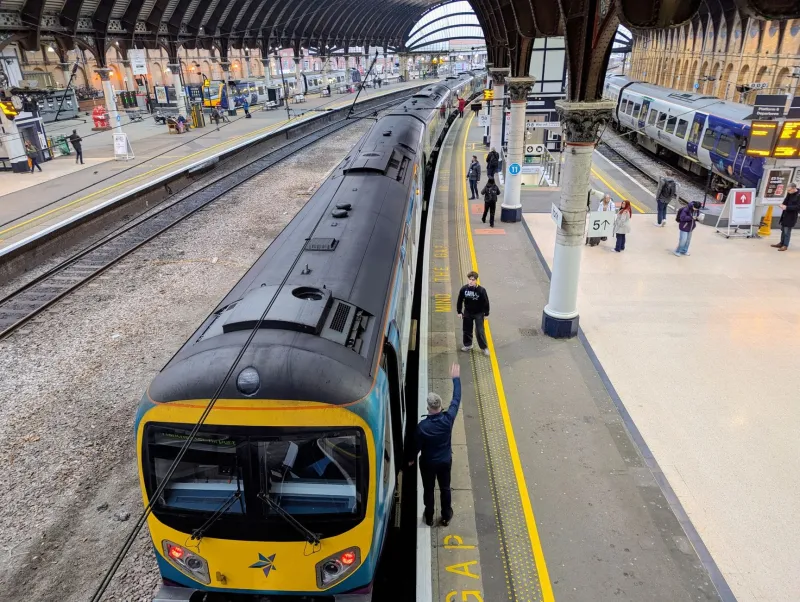
Busy high streets, market squares, station platforms and pub gardens all call for a short lead. A fixed lead with a second clip point, or a harness with a front attachment, gives you control without hauling on the dog's neck. Expect £25–45 for a well-made harness from a UK maker; leads from £15.
Where to spend and where to save
Spend on the things that touch the dog: harness fit, lead hardware, the bowl rim. Save on the things that touch the ground: mats, towels, poop bag carriers. A £4 fleece from a supermarket does the towel job as well as anything with a dog on it.
One genuine mid-range upgrade worth considering is a small insulated flask or bottle for water. A 500ml bottle plus a bowl handles a four-hour outing in mild weather; in a July heatwave you'll want a litre and a plan to refill.
What you can safely leave at home
- The retractable lead. Wonderful in open fields, actively unhelpful in a crowded beer garden or on a platform. Bring a fixed lead and leave the flexi at home.
- Three toys. One is plenty. Two is generous. Three is weight you'll carry and never use.
- Grooming kit. Unless you're going somewhere with a dress code, this is optimism in spray-bottle form.
- A glass or ceramic bowl. Breakages on day trips are a nightmare — barefoot dogs and shards don't mix.
- A full change of human clothes. A towel and a spare pair of socks is the realistic compromise.
- Anything that only works in dry weather. UK 2026 weather has not read your itinerary.
The two-minute check before you leave
Water and bowl. Lead plus slip lead as backup. Poop bags, more than you think. Towel. Mat. First aid. Treats in a quiet bag, not a crinkly one. Venue rules checked — some pubs and gardens ask for leads and no dogs on furniture, and a few National Trust properties restrict dogs to certain paths.
That's it. Everything else is nice-to-have. The best day-out kit is the one you can carry on one shoulder while holding a coffee in the other hand, and the dog that arrives home muddy, tired and completely unbothered by any of it.