The Calm-Day Vetting: Choosing a UK Vet Practice While Nothing Is Wrong
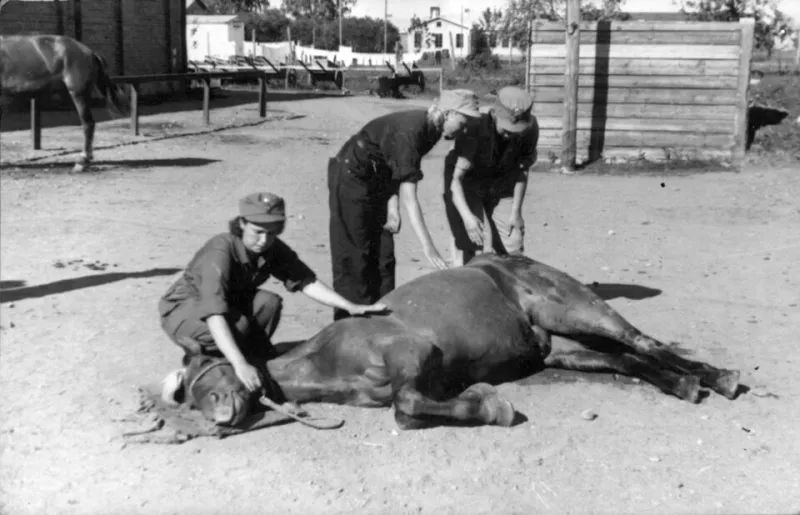
Photo: Unknown photographer, Public domain, via Wikimedia Commons
Nobody sets out to choose a veterinary practice at 11pm with a vomiting spaniel in the back seat. It just happens that way. The first real look most owners take at a practice is the one where they're frightened, the car park is full and the conversation is happening at speed.
The fix is unglamorous: do the audit on a dull afternoon, with a healthy animal, before anything goes wrong. Bring-your-own-pet works best when you've already worked out where you'd bring them.
Begin with the register, not the reviews
Reviews tell you about parking and personalities. The Royal College of Veterinary Surgeons tells you whether the person holding the stethoscope is actually allowed to hold it. Use the RCVS 'Find a Vet' tool to confirm the practice and its vets are on the register, and look for Practice Standards Scheme accreditation — a voluntary inspection scheme with tiers running from Core through General Practice and Hospital to Emergency and Critical Care. It isn't a guarantee of anything, but it does mean someone external has looked at the building, the drug logs and the infection control.
Worth asking, too, who owns the place. A growing share of UK practices sit inside larger groups, and that isn't automatically a red flag or a green one. What matters is whether group ownership has changed the things you care about: appointment availability, out-of-hours arrangements and whether prices are quoted or discovered.
Ask the out-of-hours question out loud
This is the single most useful thing you can learn in a five-minute phone call. When the practice is shut — genuinely shut, at 2am on a bank holiday — who is looking after your pet, and where are they? Some practices run their own night team. Many use a dedicated out-of-hours hospital, sometimes miles away. Some share cover with neighbouring practices.
Get the specifics: the address, the drive time from your house, whether your practice's notes travel with you electronically, and whether the out-of-hours provider can see your pet's history or will be starting from scratch. If the answer involves a 40-minute motorway drive in the rain, better to know that now than to find out with an animal on the back seat.
Also ask whether the out-of-hours service triages by phone first. A vet or nurse who can tell you 'come now' versus 'come at 8am' is worth a great deal at 3am.
Species and life-stage fit
A practice that is excellent with labradors may be thin on rabbit experience. Rabbits are not small dogs and they are not 'small furries' in the loose sense — a rabbit that has stopped eating is an emergency, and not every practice sees enough of them to be relaxed about it. If you keep guinea pigs, reptiles, birds or fish, ask directly how many of that species they see in a typical month, and whether they have a vet with a particular interest.
For dogs and cats, ask about the things that come up in ordinary life:
- Separate cat and dog waiting areas, or at least a plan for keeping them apart
- Low-stress or fear-free handling, and whether they'll use treat lures rather than a towel
- Whether owners are allowed in the consulting room
- Dental x-rays on site, and in-house bloods versus sent-away samples
- Nurse-led appointments for weight, nails, senior checks and post-op reviews
A cat-only practice, where one exists near you, is a genuinely different experience and not just a marketing line.
Fees: get the boring conversation over with
Written estimates aren't a favour, they're part of the professional code. Ask for one before any procedure, and ask what happens if the cost starts heading past it. The competition watchdog's investigation into the UK veterinary market has pushed pricing transparency up the agenda across the sector, which is broadly good news for owners — but it still relies on you asking.
Useful things to price up in advance, because they're the ones that surprise people: the consultation fee itself, the out-of-hours surcharge, a written prescription fee (versus buying the drug from the practice), repeat prescription charges, dental scaling under anaesthetic, and whether they'll do direct insurance claims or expect you to pay and reclaim.
If you're comparing two practices, compare like for like. Two quotes for 'a spay' can mean very different things depending on what's included — pain relief, IV fluids, monitoring, a post-op check.
The emergency handover protocol
Some practices can handle most things; none can handle everything. Ask what happens when your pet needs a level of care the practice can't provide — a overnight stay on fluids, imaging at 2am, a specialist opinion. Who arranges the transfer? Do they ring ahead? Do the records go with you? Is there a transfer fee on top of the receiving hospital's charges?
If the answer is 'you'd drive them yourself', ask whether they'd at least call ahead so your pet isn't sitting in a queue when you arrive.
The first appointment that isn't an emergency
Book a healthy-pet check or a nurse appointment and treat it as a test drive. You're watching for unglamorous things: whether the phone is answered by a human, whether the appointment ran roughly on time, whether anyone asked about your pet's behaviour and diet rather than just ticking the vaccine box, and whether the discharge notes made sense when you read them at home.
Ask about their triage process, too. If you ring at 9am with a genuinely urgent case, how do they decide who gets seen first? A practice with a clear answer to that has thought about it.
Keep these questions in your phone
- Are you currently registering new clients?
- Who covers out-of-hours, at what address, and how far is it?
- Do my pet's notes transfer electronically to that provider?
- How much experience do you have with my species and age of animal?
- Can I have a written estimate before procedures, and what's the process if costs change?
- What's the out-of-hours surcharge and the consultation fee?
- Do you do direct insurance claims?
- Can owners stay in the room?
- What's the transfer protocol if my pet needs more than you can offer?
- Who do I ring first on a Sunday morning?
Ten questions, one phone call, one low-stakes appointment. It's a far better way to meet your vet than the alternative — and if the answers don't sit right, you've found that out while your pet is still well.